
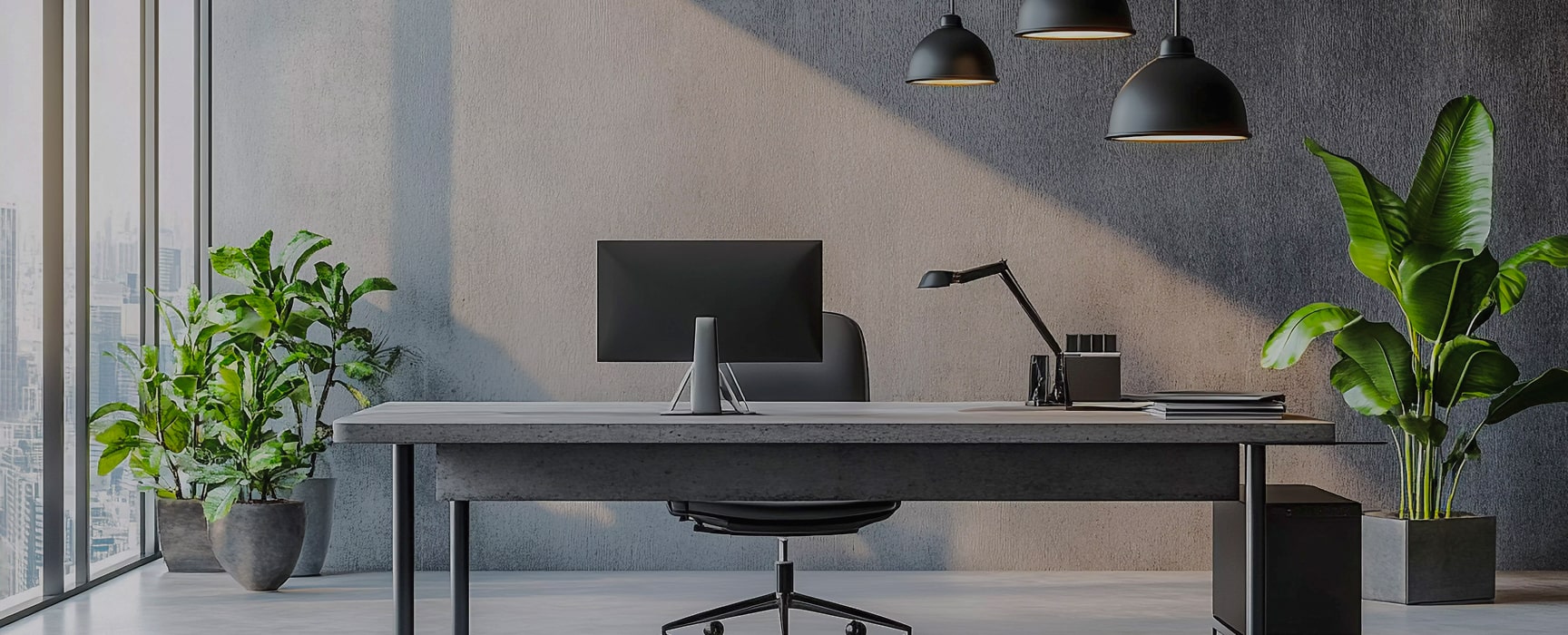
- Vibrant artistry alongside https://thebonrushs.co.uk elevates modern interior spaces
- The Power of Texture and Form in Contemporary Design
- Sculptural Lighting and its Impact
- The Role of Color Psychology in Interior Spaces
- Accent Colors and Their Impact
- The Importance of Natural Elements in Modern Interiors
- Biophilic Design Principles
- Sourcing Unique Art and Decor Items
- Beyond Aesthetics: Art as an Investment and a Reflection of Values
Vibrant artistry alongside https://thebonrushs.co.uk elevates modern interior spaces
The world of interior design is constantly evolving, with homeowners and businesses alike searching for unique and impactful ways to elevate their spaces. Finding artistry that truly resonates with a desired aesthetic can be a challenge, but platforms like https://thebonrushs.co.uk are emerging as vital resources for sourcing exceptional pieces. These curated collections bring together talent from diverse artistic backgrounds, offering a breath of fresh air and individualized style to modern interiors. The significance is not just in acquiring beautiful objects, but in establishing an atmosphere that speaks volumes about the personality and values of those who inhabit the space.
The demand for distinctive interior elements is steadily increasing, driven by a desire for authenticity and a rejection of mass-produced uniformity. Clients are increasingly looking for items that tell a story, possess unique character, and reflect an appreciation for craftsmanship. This shift in preference necessitates platforms that can connect buyers with independent artists and designers who are capable of fulfilling these individualized needs. The rise of online marketplaces dedicated to artisanal and contemporary art is effectively bridging this gap, empowering both creators and consumers. This trend moves beyond simple decoration; it’s about investing in pieces that contribute to a richer, more meaningful living experience.
The Power of Texture and Form in Contemporary Design
Contemporary interior design often centers around the interplay of texture and form to create visually stimulating and welcoming spaces. The careful selection of materials – from the smooth coolness of polished concrete to the warm embrace of natural wood – significantly impacts the overall mood and feeling within a room. Layering different textures, such as a plush velvet sofa against a rough-hewn brick wall, adds depth and dimension, preventing a space from feeling flat or sterile. The focus isn’t merely on aesthetic appeal, but on invoking tactile sensations and creating an environment that engages multiple senses. Furthermore, the forms chosen – whether organic and flowing or geometric and precise – contribute to the narrative of the space, reflecting a particular design philosophy or personal preference. An artistically arranged collection of objects can transform a simple room into a gallery-like showcase of creativity and personal style.
Sculptural Lighting and its Impact
Lighting plays a crucial role in highlighting textures and forms, and sculptural lighting fixtures have become increasingly popular design elements. These aren’t just functional objects providing illumination; they're statement pieces that serve as focal points within a room. From intricate metalwork pendants to organically shaped lamps crafted from natural materials, sculptural lighting adds an artistic dimension to any space. The interplay of light and shadow created by these fixtures enhances the textures of surrounding surfaces and emphasizes the forms of furniture and architectural details. Choosing a lighting fixture that complements the overall aesthetic is essential; a sleek, minimalist design might suit a modern space, while a more ornate piece could add character to a traditionally styled room. The right lighting dramatically impacts the ambiance, creating a welcoming and inviting atmosphere.
| Material | Texture | Color Palette | Design Style |
|---|---|---|---|
| Raw Silk | Soft, Delicate | Neutral Tones | Minimalist, Organic |
| Brushed Steel | Cool, Industrial | Grays, Silvers | Modern, Contemporary |
| Reclaimed Wood | Rustic, Textured | Warm Browns | Farmhouse, Bohemian |
| Polished Concrete | Smooth, Contemporary | Grays, Whites | Industrial, Modern |
The careful consideration of materials and textures is paramount in achieving a harmonious and visually appealing interior. The table illustrates how different material choices can cater to various design aesthetics and contribute to the overall sensory experience of a space. Selecting pieces that resonate with personal preferences and complement the architectural context of the room is key to creating a truly individualized and inviting environment.
The Role of Color Psychology in Interior Spaces
Color is a powerful tool that profoundly impacts mood, emotions, and overall well-being. Interior designers leverage the principles of color psychology to create spaces that evoke specific feelings and enhance functionality. Warm colors, such as reds, oranges, and yellows, are often associated with energy, passion, and sociability, making them suitable for living areas and dining rooms. Cool colors, like blues, greens, and purples, tend to promote calmness, relaxation, and focus, making them ideal for bedrooms and offices. Neutral colors, such as grays, whites, and beiges, provide a versatile backdrop that allows other design elements to take center stage, while also creating a sense of spaciousness and serenity. The strategic use of color, therefore, isn't simply about aesthetics; it’s about carefully curating an environment that supports the desired activities and emotional state of its inhabitants.
Accent Colors and Their Impact
While the overall color scheme sets the tone for a space, accent colors play a crucial role in adding visual interest and personality. Accents, often introduced through artwork, accessories, or furniture, can create focal points, highlight architectural features, and inject energy into a room. A pop of bright color against a neutral backdrop can instantly elevate the space, while subtle accents can add depth and sophistication. The key is to use accent colors purposefully, considering their relationship to the dominant colors and the overall design aesthetic. For instance, a sapphire blue accent in a neutral living room can create a sense of luxury and tranquility, while a vibrant orange accent in a study can stimulate creativity and focus. Finding the balance between bold statements and subtle enhancements is key to successfully incorporating accent colors.
- Blue: Promotes calmness, serenity, and focus. Ideal for bedrooms and offices.
- Green: Associated with nature, growth, and renewal. Creates a sense of balance and harmony.
- Yellow: Evokes happiness, optimism, and energy. Best used in moderation to avoid overwhelming the space.
- Red: Stimulates passion, excitement, and activity. Suitable for dining rooms or areas where social interaction is encouraged.
- Gray: Versatile and sophisticated, providing a neutral backdrop for other colors and textures.
Understanding the power of color psychology can drastically improve the impact of interior design. Selecting a color palette that aligns with desired moods and functions is crucial in building a living space that feels both visually appealing and emotionally supportive. Influence of colors goes beyond simple aesthetics, it impacts the occupants' overall experience.
The Importance of Natural Elements in Modern Interiors
In a world increasingly dominated by technology and urban landscapes, incorporating natural elements into interior spaces has become paramount. Bringing the outdoors in not only enhances the aesthetic appeal of a room, but also promotes a sense of well-being and connection to nature. Natural materials such as wood, stone, and bamboo inherently bring warmth and texture to a space, creating a more inviting and relaxing atmosphere. Indoor plants add a touch of life and vibrancy, improving air quality and reducing stress levels. Furthermore, incorporating natural light through large windows or skylights maximizes the benefits of daylight, boosting mood and productivity. The inclusion of natural elements is a deliberate attempt to counteract the sterile and isolating effects of modern living, fostering a sense of calm and tranquility.
Biophilic Design Principles
Biophilic design takes the incorporation of natural elements a step further, actively seeking to create environments that mimic the patterns and processes found in nature. This can involve incorporating natural shapes and forms into architectural details, using natural ventilation and lighting systems, and creating views of nature from within the space. The core principle is to foster a deep connection between humans and the natural world, recognizing the inherent restorative benefits of nature. Using materials like cork, or implementing water features, are excellent examples of biophilic design, aiming to recreate the tranquility of nature within a constructed environment. This is not just an aesthetic choice, but a design philosophy focused on enhancing human health and well-being.
- Introduce Natural Light: Maximize daylight with large windows and skylights.
- Incorporate Indoor Plants: Improve air quality and add visual interest.
- Use Natural Materials: Opt for wood, stone, bamboo, and other sustainable materials.
- Mimic Natural Patterns: Incorporate organic shapes, flowing forms, and natural textures.
- Create Views of Nature: Position furniture to take advantage of outdoor vistas.
The implementation of these principles contributes to interior spaces that are not only visually appealing but also physically and mentally restorative. Creating environments that connect us to nature is a growing trend in design, reflecting a broader societal desire for sustainability and well-being.
Sourcing Unique Art and Decor Items
The search for unique art and decor items is a cornerstone of personalized interior design. While mainstream retailers offer a wide selection of products, they often lack the individuality and character that can truly transform a space. Platforms like https://thebonrushs.co.uk provide access to a curated collection of artworks and decorative objects created by independent artists and designers. This allows buyers to discover one-of-a-kind pieces that reflect their personal style and values. Exploring local art galleries, antique shops, and craft fairs is another excellent way to uncover hidden gems. When selecting art and decor, consider the overall aesthetic of the space and choose pieces that complement the existing color scheme, textures, and forms. Investing in high-quality, handcrafted items not only enhances the beauty of your home but also supports the creative community.
Beyond Aesthetics: Art as an Investment and a Reflection of Values
Acquiring art is not solely about enhancing the visual appeal of a space; it can also be viewed as a tangible investment and a powerful statement of personal values. Carefully selected artworks can appreciate in value over time, providing a financial return in addition to aesthetic enjoyment. However, the true value of art often lies in its ability to evoke emotions, stimulate conversation, and inspire creativity. Choosing pieces that resonate with your beliefs and passions transforms your home into a reflection of your individual identity. Supporting independent artists and designers contributes to a thriving cultural landscape and fosters a sense of community. The emphasis is moving beyond mere decoration toward intentional curation — seeking pieces that tell a story, spark dialogue, and elevate the everyday experience.
Ultimately, the integration of art into interior design represents a holistic approach to creating spaces that are not only beautiful but also meaningful and enriching. https://thebonrushs.co.uk and similar platforms provide the tools for discovering artworks that transform a house into a home that embodies individuality and celebrates artistic expression. The carefully chosen details and pieces are indicative of a considered lifestyle, where beauty, functionality and personal values coexist harmoniously.