
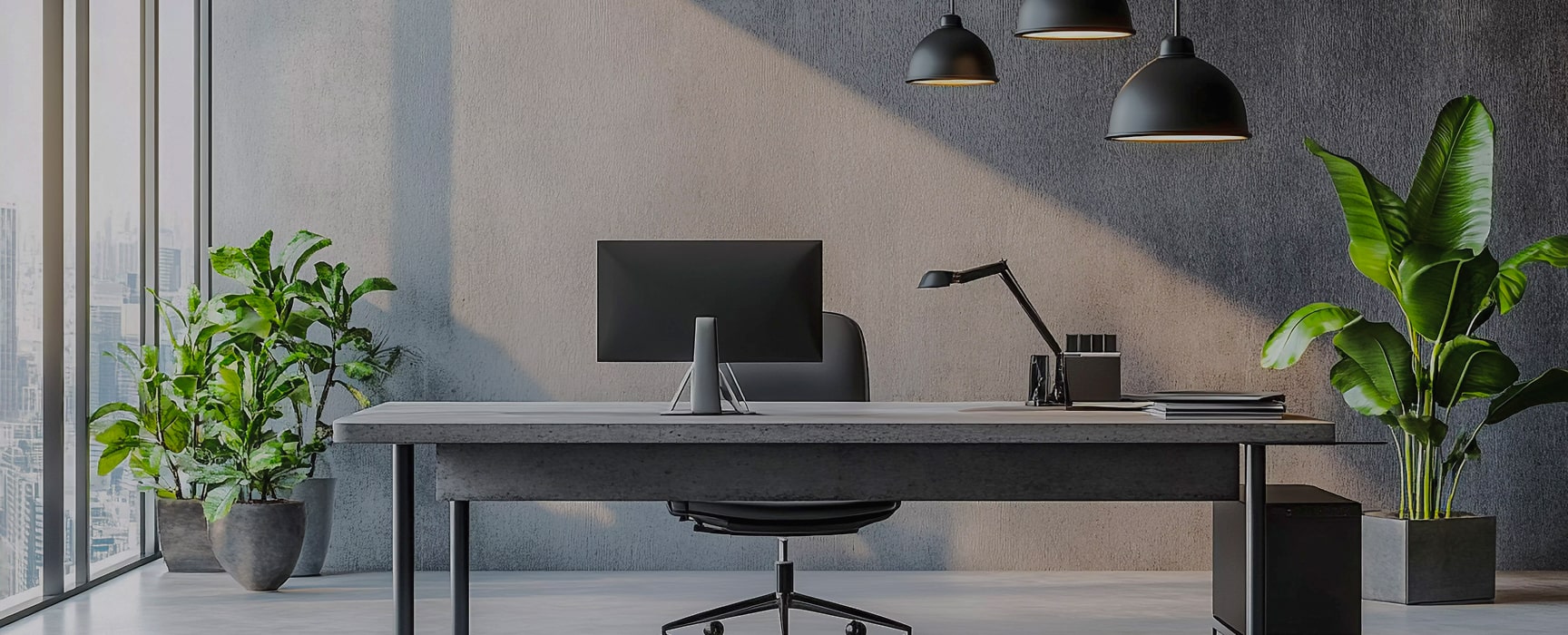
- Remarkable collections featuring https://the-spinkings.co.uk elevate modern interior design concepts
- The Allure of Antique Maps and Prints
- Understanding Cartographic Evolution
- The Charm of Vintage Botanical Illustrations
- Techniques in Botanical Art
- Scientific Charts and Diagrams as Decorative Elements
- The History of Scientific Visualization
- Curating a Cohesive Collection
- Expanding the Narrative Through Display and Context
Remarkable collections featuring https://the-spinkings.co.uk elevate modern interior design concepts
https://the-spinkings.co.uk. The pursuit of exquisite and thoughtfully curated collections is a cornerstone of modern interior design, and discerning collectors are increasingly turning to specialized sources to elevate their spaces. Among these,
The significance of incorporating tangible history and visual narratives into interior design schemes is growing, as people seek to create environments that are both beautiful and meaningful. Rather than simply filling a space with furniture, individuals are now focusing on assembling collections that reflect their personal interests and passions. This shift toward intentional and curated decorating necessitates access to reputable sources offering authentic and exceptional items. The art of collecting, therefore, becomes a fundamental aspect of crafting a truly personalized and inspiring living space, and platforms such as The Spinkings provide the resources and opportunities to do so.
The Allure of Antique Maps and Prints
Antique maps and prints possess an undeniable allure, seamlessly blending historical significance with artistic merit. They are not merely depictions of geographical locations; they are windows into past eras, revealing evolving cartographic techniques, societal understandings of the world, and the artistic sensibilities of their time. The appeal lies in their ability to transform a blank wall into a captivating focal point, sparking conversation and igniting the imagination. A beautifully preserved 18th-century map of the Americas, for instance, offers a tangible connection to the Age of Exploration, showcasing the burgeoning ambitions and daring voyages of the period. Selecting pieces with complementary color palettes and framing styles allows for cohesive integration into various interior design themes, from traditional and stately to modern and minimalist.
Understanding Cartographic Evolution
The evolution of cartography is vividly illustrated through antique maps. Early maps were often based on conjecture and limited exploration, resulting in fantastical depictions of continents and mythical creatures. As exploration progressed, maps became increasingly accurate, incorporating new discoveries and refined surveying techniques. Studying the progression of mapping styles, from the ornate artistry of Dutch mapmakers to the precise scientific renderings of British cartographers, provides a fascinating glimpse into the development of geographical knowledge and artistic expression. The artistry and detail in these historical documents are often breathtaking, making them a desirable acquisition for both seasoned collectors and newcomers alike. Consider the shift from Ptolemy’s geocentric model to the more accurate, though still evolving, maps of the Renaissance.
| Era | Cartographic Characteristics | Common Materials |
|---|---|---|
| Medieval | Symbolic, religious influence, limited accuracy | Vellum, parchment |
| Renaissance | Revival of classical learning, improved accuracy | Paper, copperplate engraving |
| 18th Century | Scientific exploration, detailed topography | Paper, engraving, aquatint |
| 19th Century | Mass production, lithography, increased detail | Paper, lithography |
The presence of original cartography in a home creates a stimulating environment reflecting intellectual curiosity, hinting at journeys and discoveries, and lending a unique, timeless quality to the space.
The Charm of Vintage Botanical Illustrations
Vintage botanical illustrations offer a delightful way to bring the beauty of the natural world indoors. These meticulously crafted artworks, often originating from scientific publications and florilegia, capture the intricate details of plants, flowers, and fruits with astonishing precision and artistic skill. Their appeal transcends mere aesthetics; they celebrate the wonder of biodiversity and the enduring fascination with the plant kingdom. Incorporating these illustrations into a living room or dining room can infuse a space with a sense of tranquility, freshness, and refined elegance. The color palettes, ranging from delicate pastels to vibrant hues, complement a wide array of interior design styles, adding a touch of organic warmth and sophistication. The subject matter is universally appealing, creating welcoming and visually stimulating environments.
Techniques in Botanical Art
The creation of vintage botanical illustrations involved a remarkable blend of scientific observation and artistic finesse. Artists meticulously studied live specimens, capturing their morphology, color variations, and anatomical details with painstaking accuracy. Common techniques included watercolor painting, pen and ink drawing, and engraving. The use of layering and shading created depth and dimension, bringing the plants to life on the page. The finest illustrations were often produced through a collaborative process involving botanists who provided scientific expertise and artists who translated that knowledge into visually stunning works. The precision required was immense; artists would often spend hours perfecting a single petal or leaf to ensure accurate representation of the plant.
- Watercolor remains a popular medium for botanical illustration due to its ability to create delicate washes and vibrant colors.
- Pen and ink allows for fine detail and precise linework, creating a stark, graphic aesthetic.
- Engraving demanded incredible skill and patience, resulting in exceptionally detailed and durable images.
- Lithography allowed for the reproduction of botanical illustrations, making them more widely accessible.
Beyond their aesthetic value, vintage botanical illustrations serve as historical records of plant life, capturing species that may now be rare or extinct, providing a lasting legacy of botanical knowledge.
Scientific Charts and Diagrams as Decorative Elements
Expanding beyond traditional art forms, scientific charts and diagrams are emerging as sophisticated decorative elements within contemporary interiors. These visually compelling representations of anatomical studies, astronomical observations, or geological formations offer a unique blend of intellectual depth and aesthetic appeal. They tap into a growing desire for pieces that are both beautiful and thought-provoking, encouraging a sense of curiosity and discovery. A beautifully preserved anatomical chart, for example, can serve as a striking focal point in a study or library, while a celestial map adds a touch of wonder and cosmic perspective to a bedroom or living space. The inclusion of scientific imagery challenges conventional notions of wall art, inviting viewers to engage with ideas and knowledge in a visually stimulating way.
The History of Scientific Visualization
The art of scientific visualization has a long and distinguished history, dating back to the earliest attempts to understand and depict the natural world. From the anatomical drawings of Leonardo da Vinci to the astronomical charts of Tycho Brahe, scientists have long recognized the power of visual representation to communicate complex ideas. The 18th and 19th centuries witnessed a surge in scientific illustration, driven by advances in exploration, natural history, and medicine. The development of printing technologies facilitated the widespread dissemination of scientific knowledge, making charts and diagrams accessible to a broader audience. These visualizations not only served a practical purpose but also possessed a distinct aesthetic quality, reflecting the artistic sensibilities of the time.
- Early scientific illustrations were often based on direct observation and meticulous hand-drawing.
- The invention of the printing press revolutionized the production and distribution of scientific charts.
- The development of lithography allowed for the reproduction of detailed and colorful illustrations.
- Modern technologies, such as computer graphics, have expanded the possibilities of scientific visualization.
Incorporating these historical visualizations into a home is a nod to the past and a celebration of human ingenuity, adding an intellectual depth that standard decorative choices rarely achieve.
Curating a Cohesive Collection
The true artistry lies not just in acquiring individual pieces, but in curating a cohesive collection that reflects a personal aesthetic and tells a story. Consider the interplay of color, style, and subject matter when selecting items. A collection of antique maps might be unified by a shared geographical focus or a common cartographic technique. Similarly, a grouping of botanical illustrations can be harmonized through a consistent color palette or a shared botanical theme, such as medicinal plants or tropical flowers. The key is to create a sense of visual harmony and intellectual connection between the pieces, allowing them to complement and enhance each other. Thoughtful arrangement and framing are also crucial to achieving a polished and sophisticated look.
Maintaining a theme or narrative within your collection can elevate its impact. Perhaps the collection centers around explorations of a particular region, or a specific scientific discipline. Repetition of certain motifs or color schemes and the careful selection of frames can help to amplify that narrative. Ultimately, a well-curated collection transcends the sum of its parts, creating a space that is both visually stimulating and deeply personal, showcasing character and refined good taste.
Expanding the Narrative Through Display and Context
The presentation of these collected items is as critical as the collection itself. Consider how the pieces interact with their surrounding environment. A vintage map displayed in a study surrounded by bookshelves and globes will evoke a different atmosphere than the same map hung in a minimalist living room. Thoughtful lighting is essential for highlighting the intricate details of the artwork. Museum-quality framing protects the pieces while enhancing their visual appeal. Furthermore, incorporating accessories and furnishings that complement the collection’s theme can create a more immersive and engaging experience. For example, pairing botanical illustrations with vintage botanical books or dried flower arrangements can reinforce the connection to the natural world. The aim is to create a harmonious blend of art, design, and storytelling, transforming a house into a personal haven that embodies charm, sophistication, and intellectual curiosity.
The increasing interest in collecting is, in part, a reaction against mass-produced items and disposable culture. By investing in unique, handcrafted pieces with a history, individuals are creating spaces that are imbued with personality and meaning. The opportunity to discover beautiful and exceptional items through sources like